Project Resources

""

Project Resources

Selected Resources from Special Collections


St. Louis Integrated Database of Enslavement

St. Louis Integrated Database of Enslavement (SLIDE) makes key records of enslavement in St. Louis searchable online. SLIDE includes records from the Freedom License database, covering Freedom Licenses filed in the county of St. Louis, Missouri between 1835 and 1865, emancipations registered in the St. Louis Circuit Court from 1817-1865, official court sales from 1828 to 1864, and the slave schedules of the 1850 and 1860 U.S. Census.

Use SLIDE

Digital Resources & Research Guides

What We Are Reading: Selections from the Stacks

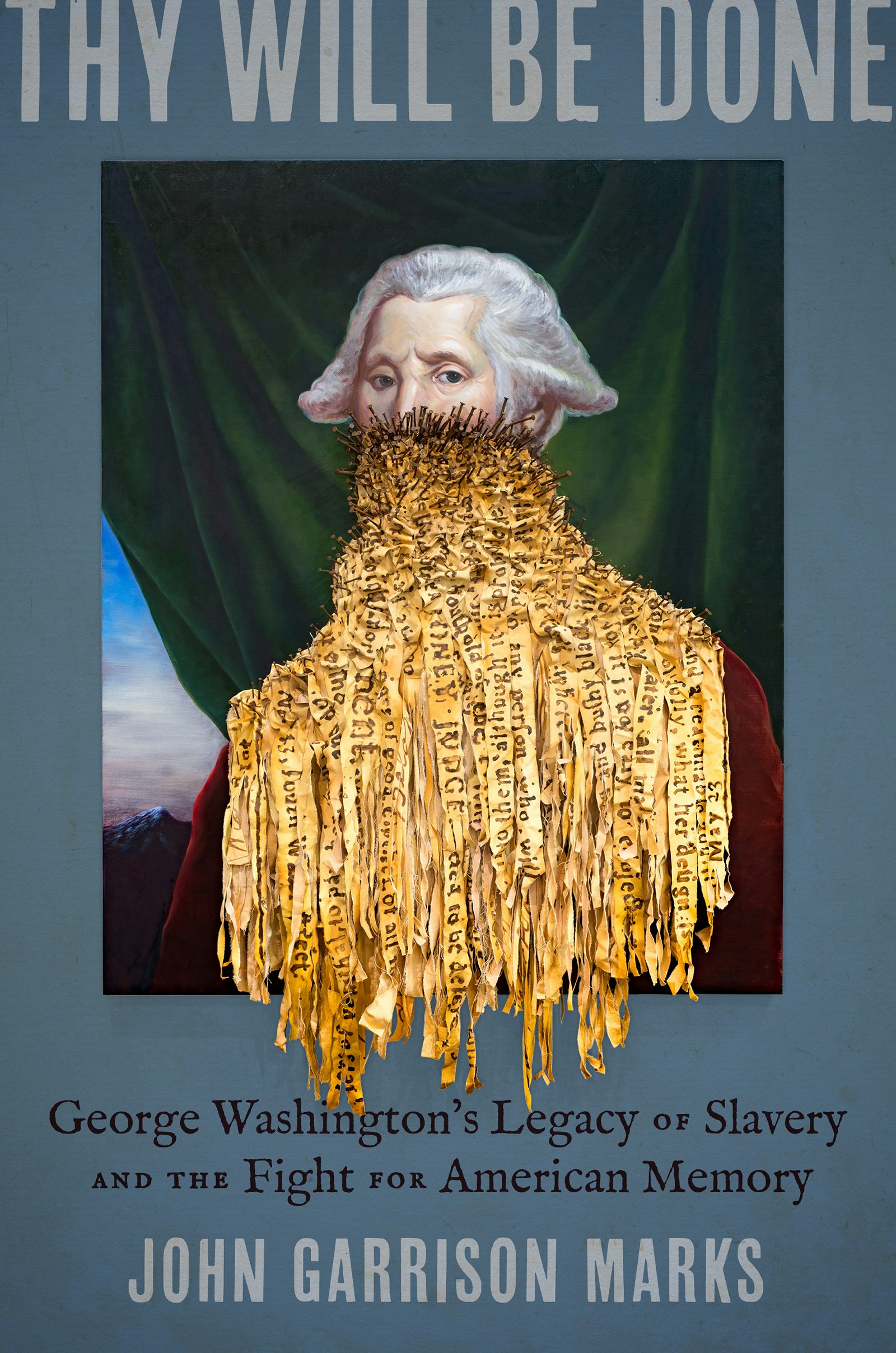
Thy Will Be Done: George Washington's Legacy of Slavery and the Fight for American Memory

In Thy Will Be Done, historian John Garrison Marks tells the story of Americans’ long, fraught struggle to come to terms with Washington’s legacy of slavery. He traces how politicians, abolitionists, educators, activists, Washington’s former slaves and their descendants, and others have remembered, forgotten, and manipulated slavery’s place in Washington’s story, and how they have wielded versions of that story in the political and cultural fights of their time. Marks shows how generational struggles over our collective memory of Washington and slavery have always been part of a bigger conversation about defining the United States and its people. As debates about the founders’ participation in the system of slavery continue to roil public discourse, Marks shows with new clarity that Americans have never collectively reconciled Washington’s conflicted legacy. By truly grappling with Washington’s role as enslaver and emancipator, we may come to better understand the nation and ourselves (UNC Press).

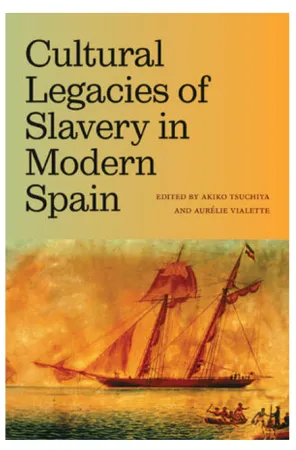
Cultural Legacies of Slavery in Modern Spain

The first book-length study to address the impact of the legacies of slavery on Spanish cultural representations and institutions.

This groundbreaking volume explores how culture produced in Spain, from the nineteenth century to the present, both reflects and shapes ways of understanding the history and heritage of a nation sustained by colonialism and slavery. Akiko Tsuchiya and Aurélie Vialette bring together an outstanding group of scholars, artists, cultural producers, and activists in a range of fields-from history to literary studies, anthropology to journalism, and flamenco to film. Drawing on interdisciplinary and comparative methodologies, contributors address the legacies of slavery in the archive; in cultural memory sites; and in literature, music, and visual arts. How, they ask, do different cultural forms and institutions represent and reckon with this past and push for justice in the face of persistent racial discrimination? In its focus on collective memory and the cultural afterlives of slavery and antislavery, Cultural Legacies of Slavery in Modern Spain will appeal not only to Iberian and Latin American specialists but also readers across Afro-Hispanic, postcolonial, transatlantic, and critical race studies.

Slavery in the Age of Memory: Engaging the Past

How the Word is Passed

Ebony & Ivy

The Slave's Cause: A History of Abolition

The Broken Heart of America: St Louis and the Violent History of the United States

Slavery and the University

The Indian World of George Washington